
What Makes Water Healthy? Understanding Water Quality, BPA Risks, and Packaging Safety

Safe water quality and clean packaging are good for health. Water is often clear but still has harmful contaminants. Most People focus on bottled water and BPA-free packaging. Healthy water is clear, fresh, and free from dirt. It contains minerals such as calcium, magnesium and potassium. Dangerous substances like lead, arsenic, nitrates, and chlorine by-products. Safe water is filtered and sterilized from microbes. The pH remains in the range of 6.5-8.5.
What are the Key Factors That Determine Water Quality
Here are the four main factors that define water quality.
Physical Characteristics: Clear quality water is fresh with no particles. Muddy color or a dirty smell shows pollution or contamination from unsafe storage methods.
Chemical Composition: Healthy water contains good minerals, including calcium, magnesium, and potassium, which are beneficial for the proper working of the body. Harmful chemicals are lead, arsenic, nitrates, and chlorine that affect the body's organs and health.
Why Minerals Matter: Minerals are important because they maintain fluid and electrolyte balance. Calcium makes bones strong, magnesium helps muscles, sodium regulates fluids and potassium regulates nerve signals and muscle activity in the body.
pH Level Balance: The pH range of healthy water is between 6.5 and 8.5. Acidic water is dangerous to pipes, and alkaline water affects digestion and both conditions make drinking water drinking bad for health.
What are the Sources of Drinking Water and Their Quality Differences
Here are the three drinking water sources and their quality differences.
Groundwater: Groundwater forms underground through natural filtration in soil and rock. It contains minerals such as calcium and magnesium. Some sources include arsenic and iron contamination.
Surface Water: Surface water is from rivers, lakes & reservoirs. Pollution from waste, sewage, and chemicals affects water quality. Treatment eliminates contaminants and harmful microorganisms.
Municipal Water Supply: Municipal water gets treated and disinfected before distribution. Chlorine inhibits the growth of bacteria. Old pipes release rust, lead and other substances into drinking water.

How to Identify Safe and Healthy Drinking Water
Here are the three ways to identify safe and healthy drinking water.
Reading Labels Correctly: The water labels give information on mineral level, source, purification technology such as filtration, RO, UV radiation, etc., and manufacturing information. This helps clearly understand the overall water quality.
Checking Certifications: Certifications ensure water safety and quality. ISO demonstrates management quality, NSF approves safety test, and local authorities mean hygiene, purity and contamination control.
Storage Conditions Matter: Good storage maintains good water quality. Heat and sunlight damage bottles. Tight sealing helps to prevent contamination from dirt, bacteria, and external particles throughout the transport and storage process.
How Water Quality Is Tested and Regulated
Here are the three methods and systems used for water quality testing and regulation.
International Standards (WHO Guidelines): The WHO gives guidelines for the safety of drinking water. These standards are setting limits for chemicals, microorganisms and harmful substances that are safe for public health all around the world.
Local Regulatory Bodies: Local regulatory bodies conduct inspections on water systems and check the levels of safety. These authorities regularly monitor the contamination, treatment efficiency and distribution conditions using activities that are called quality control.
Lab Testing Methods: Laboratories perform microbial testing, chemical analysis, and mineral profiling to examine water quality. These techniques have proven to be accurate in detecting bacteria, toxic chemicals, mineral content, and harmful contaminants.

How Safe Are Different Packaging Materials for Drinking Water?
Here are the four different packaging materials used for drinking water:
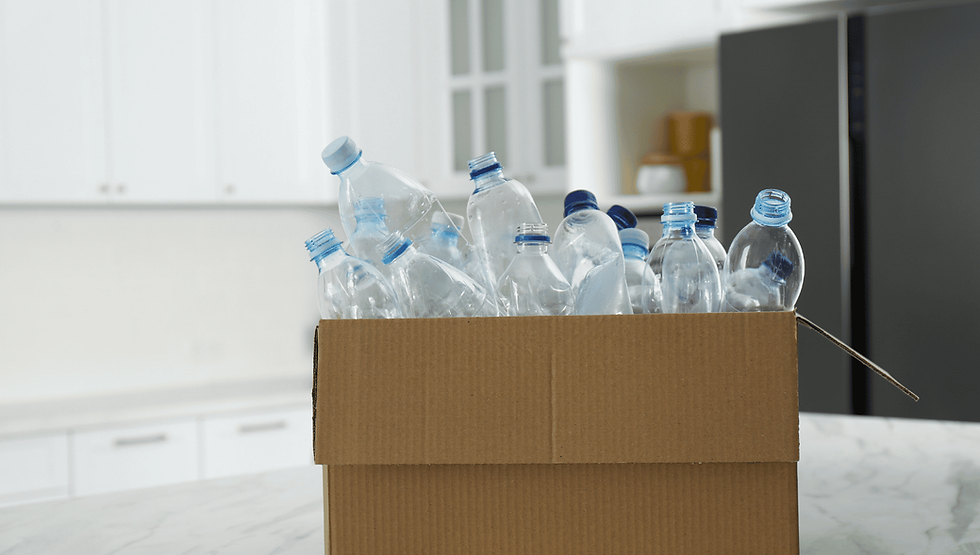
Plastic Bottles (PET and Others): Plastic bottles stay lightweight for transport. PET is used for single-use storage. Heat and reuse increase the risk of chemical release and material damage.
Glass Bottles: Glass bottles are non-reactive and stable. They do not affect the taste. High cost and breakage create handling and transport difficulties in use.
Stainless Steel Containers: Stainless steel containers are long-lasting storage solutions. They are resistant to reactions, damage, and rust. People use them for travel and long-term hydration needs.
Carton-Based Water Packaging: Carton packaging uses paper-based, eco-friendly materials. Multi-layer structure blocks light and contamination. Recycling is complicated by layers of plastics, paper and aluminum.
What Are the Health Risks Linked to BPA Exposure?
Here are the six health risks linked to BPA exposure:
Hormonal (Endocrine) Disruption: BPA acts like estrogens within the body and disrupts natural hormone balance. Long-term exposure affects endocrine system function, growth patterns, metabolism, and reproductive hormone regulation in humans.
Reproductive Health Issues: BPA exposure affects fertility in men and women. Research has linked BPA to diminished sperm count, impaired sperm mobility, impaired egg development, and irregular hormone cycles.
Metabolic Disorders: BPA affects body fat processing and storage systems. Exposure causes links to insulin resistance, higher risk of type 2 diabetes, unhealthy weight gain and metabolic imbalance in the long term.
Cardiovascular Health Concerns: BPA exposure is linked with increased blood pressure and blood vessel inflammation. Long-term exposure can have an effect on cardiovascular system function over time, increasing the risk of cardiovascular-related health issues.
Neurological and Behavioral Effects: BPA disrupts hormone-related brain signaling and impacts brain activity. Research looks at relationships to anxiety, mood shifts and behavioral issues particularly in childhood brain development.
Immune System Impact: BPA disrupts immune system reactions and raises levels of inflammation in the body. These effects impair effective resistance to infections and stress on the physical body.
Water Treatment Methods That Improve Health Quality
Here are the three treatment methods that improve drinking water quality and safety.
Filtration: Filtration removes sediments, dirt, chlorine, and some harmful contaminants from water. It enhances taste, smell, clarity and drinking quality.
Reverse Osmosis (RO): Reverse osmosis removes heavy metals, salts, chemicals, and impurities through a special membrane. This method produces cleaner and safer drinking water.
UV Purification: UV purification is a method that utilizes ultraviolet light to eliminate bacteria, viruses and microorganisms. This treatment enhances biological safety while not introducing chemicals to water.
Explore Premium Mineral Water Products
At 1600water.com, you can find high-quality mineral water options designed for convenience and purity. Here are some top choices:
1. 500 ml Bottles (18 Pack)
Perfect for daily use, travel, or office hydration.
2. 1 Liter Bottles (12 Pack)
Ideal for staying hydrated throughout the day.
3. 750 ml Bottles (12 Pack)
A balanced option for both personal and shared use.
Why Choose Mineral Water from 1600water.com?
When selecting mineral water, purity, consistency, and mineral balance are essential. 1600water.com ensures:
Premium sourced mineral water from protected aquifers
Naturally balanced minerals like calcium, magnesium, and potassium
Variety of sizes: 500 ml, 750 ml, and 1-liter bottles for convenience
Sustainable and pure bottling that preserves flavor and health benefits


Comments