
Is Mineral Water the Same as Sparkling Water?

Many people assume mineral water and sparkling water are the same, but there are key differences that affect taste, health benefits, and usage. Understanding these differences helps you make better hydration choices, whether you want natural minerals, bubbles, or both.
Sparkling water is essentially water infused with carbon dioxide (CO₂) to create fizz. Mineral water, on the other hand, comes from natural springs or underground sources, containing minerals like calcium, magnesium, and potassium. While some mineral water is naturally carbonated, not all sparkling water is mineral water, and not all mineral water is fizzy.
What Is Mineral Water?
Mineral water is naturally sourced from springs or underground aquifers that are protected from pollution. What sets mineral water apart from regular bottled water is its stable composition of naturally occurring minerals, which can include calcium, magnesium, potassium, sodium, and bicarbonates. These minerals give mineral water a distinct taste and offer additional health benefits beyond simple hydration.
Still Mineral Water: This is naturally free from carbonation. Its taste can range from mildly sweet to slightly earthy depending on the mineral content.
Sparkling Mineral Water: Naturally carbonated at the source or artificially infused with CO₂, offering a fizzy alternative while still retaining natural minerals.
Why it matters: The minerals in water are absorbed differently than in supplements or foods, making mineral water a convenient way to support bone strength, cardiovascular health, and digestive wellness.
What Is Sparkling Water?
Sparkling water is simply water infused with carbon dioxide gas (CO₂) to make it fizzy. The carbonation creates bubbles that many find refreshing, but the source and mineral content can vary widely.
Naturally sparkling water: Contains CO₂ from underground sources, often accompanied by natural minerals. Examples include famous European springs like Perrier and San Pellegrino.
Artificially carbonated water: Regular purified or tap water with CO₂ added during bottling. It may have little to no mineral content.
Taste difference: Sparkling water may feel slightly acidic due to carbonation, while still mineral water has a smoother mouthfeel.
Hydration impact: Some people find sparkling water more satisfying, which can encourage increased water intake.

Differences Between Mineral Water and Sparkling Water
Understanding the differences between mineral water and sparkling water can help you make informed hydration choices. The differences extend across source, carbonation, mineral content, taste, and health effects.
Health Benefits of Mineral and Sparkling Water
Both mineral and sparkling water provide hydration, but mineral content adds targeted health benefits.
Common Misconceptions About Water Types
Many misunderstandings exist regarding sparkling and mineral water:
Taste, Popularity, and Usage
Mineral Water: Mineral water is naturally smooth and slightly alkaline due to minerals like calcium and magnesium. Its subtle flavor makes it versatile for daily hydration without altering the taste of food. Many people prefer mineral water during meals, as it cleanses the palate and complements flavors in dishes without overpowering them. Athletes and fitness enthusiasts also choose mineral water for hydration during workouts, as minerals like magnesium and potassium help replenish electrolytes lost through sweat. Additionally, mineral water can be used in cooking and baking, enhancing flavor naturally. For instance, chefs often use mineral water in bread making or in delicate sauces because the dissolved minerals subtly improve texture and taste. Its popularity is growing among health-conscious consumers who value natural hydration and wellness benefits over sugary drinks or artificially flavored beverages.
Sparkling Water: Sparkling water has a bubbly, fizzy texture that makes drinking water feel more indulgent. Its effervescence can mimic the sensation of soft drinks without added sugar or calories, making it an excellent choice for people trying to reduce soda consumption. Sparkling water is also often paired with cocktails or mocktails as a mixer due to its crisp taste and gentle acidity. The popularity of sparkling water has soared with flavored options, including natural fruit infusions, herbs, and botanical essences. This makes it an appealing alternative for those who dislike the flat taste of plain water but want a healthy, low-calorie beverage. Some studies suggest that the carbonation may also aid digestion, especially after heavy meals, by promoting burping and relieving mild bloating.
Environmental and Health Considerations
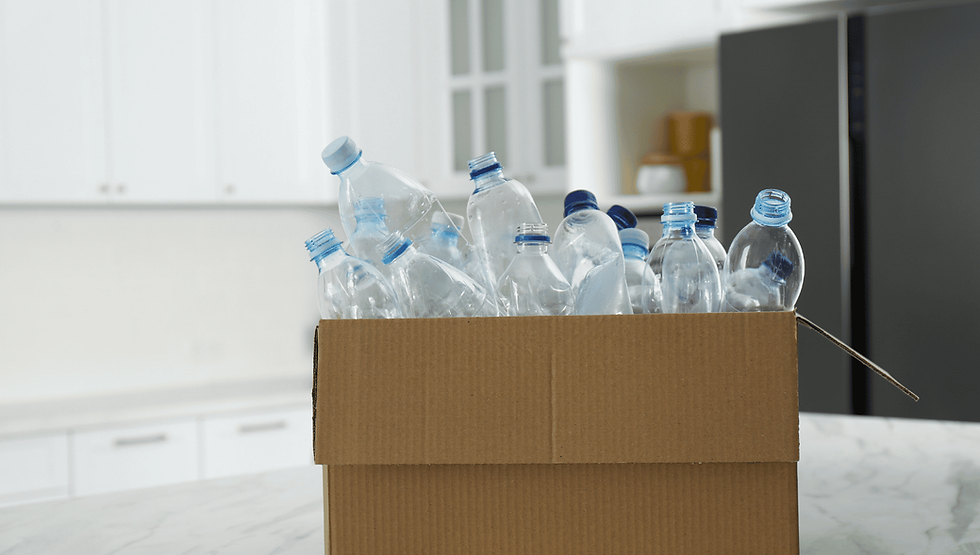
Plastic vs. Glass Bottles:Choosing the right packaging impacts both your health and the environment. Glass bottles are non-reactive and do not leach chemicals into water, making them ideal for long-term storage or daily consumption. They are also 100% recyclable, and repeated recycling maintains water quality. Plastic bottles, while lightweight and convenient, may contain BPA or microplastics in some cases. Always check for BPA-free labeling, and consider recycling or reusing bottles responsibly.
Sodium Content:Some mineral waters, especially naturally sparkling varieties, may contain higher levels of sodium. While this enhances taste and mineral balance, it can be a concern for individuals on low-sodium diets. Reading labels is crucial—sodium content is often listed in milligrams per liter (mg/L). Choosing mineral water with moderate sodium levels ensures you get the benefits of natural minerals without exceeding daily dietary limits.
Teeth and Bones:Concerns about carbonation damaging teeth or weakening bones are largely misunderstood. While highly acidic carbonated beverages like soda can erode enamel, naturally carbonated mineral water has a mild pH and minimal acid, making it safe for teeth when consumed in moderation. Drinking through a straw or rinsing with plain water after consumption can further reduce any minimal risk.

Explore Premium Mineral Water Products
At 1600water.com, you can find high-quality mineral water options designed for convenience and purity. Here are some top choices:
1. 500 ml Bottles (18 Pack)
Perfect for daily use, travel, or office hydration.
2. 1 Liter Bottles (12 Pack)
Ideal for staying hydrated throughout the day.
3. 750 ml Bottles (12 Pack)
A balanced option for both personal and shared use.
Why Choose Mineral Water from 1600water.com?
When selecting mineral water, purity, consistency, and mineral balance are essential. 1600water.com ensures:
Premium sourced mineral water from protected aquifers
Naturally balanced minerals like calcium, magnesium, and potassium
Variety of sizes: 500 ml, 750 ml, and 1-liter bottles for convenience
Sustainable and pure bottling that preserves flavor and health benefits


Comments